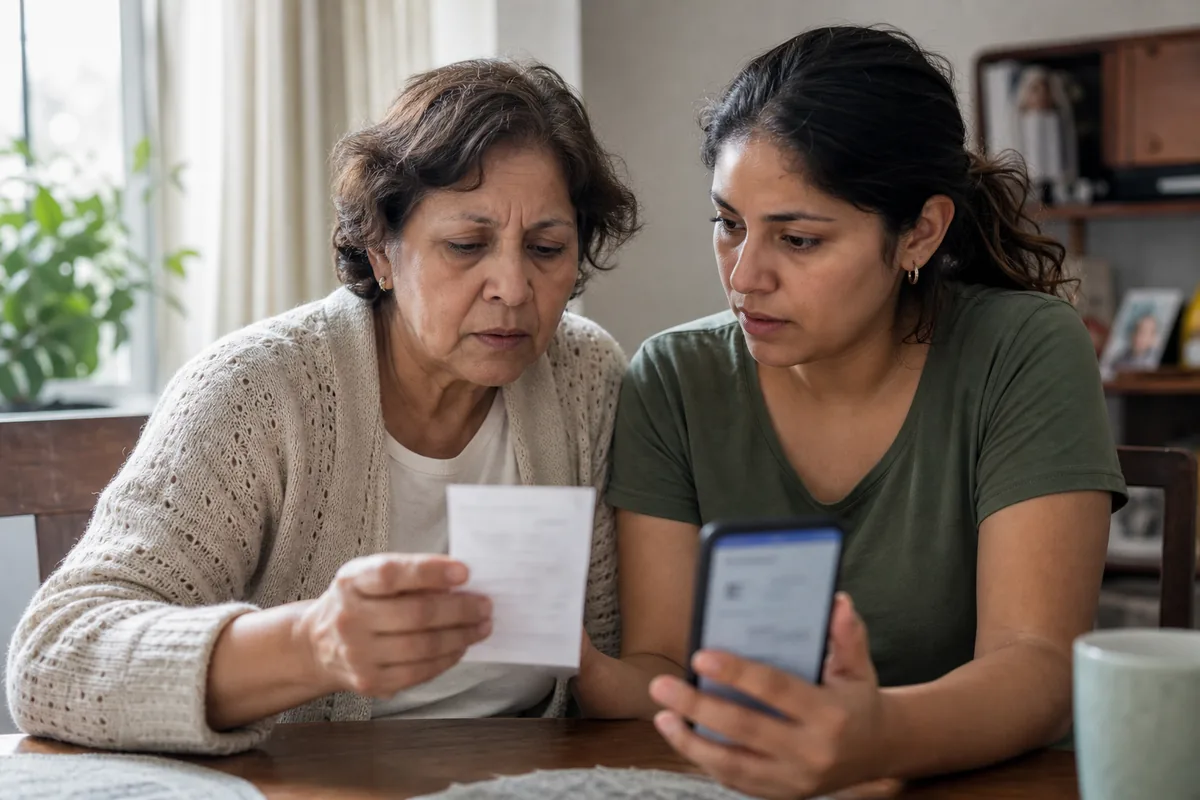
Compare the quote and receipt
Identify sender total, provider fee, conversion rate, stated recipient amount and payout method. Confirm whether the provider guaranteed that amount or warned about third-party deductions.
If the receipt itself shows a lower figure than expected, the issue occurred before external payout.
Bank and intermediary deductions
Some international bank transfers pass through correspondent institutions that deduct handling charges. The recipient bank may also charge incoming-wire or conversion fees.
Ask for the transfer trace and fee breakdown. Do not assume the transfer provider kept every difference.
Wallet and cash access costs
A wallet may receive the quoted balance but charge the recipient to withdraw or transfer it. Cash agents can have currency or collection rules.
Distinguish amount credited from amount usable as cash. Both matter, but they are different measurements.
Build a reconciliation
List each stage from sender debit to final recipient balance with currency and timestamp. Ask the institution responsible for any unexplained difference.
For future sends, compare a payout rail that guarantees the target amount or makes third-party charges clearer.
What the evidence can and cannot prove
For why did the recipient receive less than the quoted amount?, a useful data claim needs a defined route, date range, send amount, standard or promotional mode, funding method and payout method. BestSendRate retains those dimensions because an aggregate across incompatible transfers can look precise while answering no real customer's question.
In the context of why did the recipient receive less than the quoted amount?, archive observations show what a provider quoted at collection time. They do not prove that the sender passed verification, the payment was authorised, the recipient received money on time or support resolved a later problem. Those outcomes require different evidence and are never inferred from quote volume.
Reproduce the comparison before acting
To apply why did the recipient receive less than the quoted amount?, open the current comparison with the sending country and destination fixed. Enter the amount you genuinely plan to send, select a funding method you can use and compare only the payout method the recipient wants. Keep first-transfer offers separate unless your account meets every eligibility term.
Before authorising, write down or save the sender total, customer rate, fee, recipient amount, delivery estimate and quote time. For the decision covered by “Why did the recipient receive less than the quoted amount?”, the provider's final confirmation screen overrides an older BestSendRate observation because markets, availability and account-specific checks can change.
Know when the answer needs checking again
Recheck why did the recipient receive less than the quoted amount? when the amount changes materially, a promotion expires, a saved recipient changes bank or wallet details, a card is replaced, the provider requests new verification, or the transfer deadline becomes more urgent. A result that was fair last month can be stale without anyone making an error.
When using why did the recipient receive less than the quoted amount?, if the available options cannot be matched exactly, present the difference instead of hiding it. State that one quote uses a card while another uses bank funding, or that one pays cash while another pays a wallet. Transparent non-equivalence is more useful than a false winner, and it gives the sender the information needed to choose the trade-off deliberately.
Keep a decision record for important transfers
For an important transfer related to why did the recipient receive less than the quoted amount?, keep a compact record before payment: provider and legal entity, route, amount, currencies, funding and payout methods, standard or promotional status, sender total, fee, recipient amount, delivery estimate, quote expiry and support reference. This is not bureaucracy; it prevents later confusion about which version of a changing quote was accepted.
After a payment guided by why did the recipient receive less than the quoted amount?, retain the receipt until the recipient confirms actual access to the funds. If the result differs from the quote, compare the receipt, provider status and recipient statement stage by stage before deciding where the discrepancy occurred. Contact the official provider channel with the transaction reference, never a number supplied by an unexpected message, and record the response deadline. If a formal complaint becomes necessary, this timeline is substantially stronger than memory or an isolated screenshot.
Put the recipient's real situation ahead of the ranking
The numerical conclusion in why did the recipient receive less than the quoted amount? is only useful after the recipient's constraints are known. Confirm whether they can access a bank account, registered wallet or cash location; whether identification names match; whether local opening hours or withdrawal limits matter; and whether they need the full amount by a firm deadline. A marginally larger quote can be worse when its payout is inaccessible.
Use why did the recipient receive less than the quoted amount? as a prompt to discuss the choice with the recipient before sending, especially for a new route or a large amount. Explain the expected currency, amount, collection or credit method and safe way to exchange the reference. Do not send passwords or one-time codes. Once the recipient confirms receipt, compare the actual outcome with the saved quote and use that evidence—not brand loyalty or one good experience—to decide whether the provider remains on the shortlist for the next transfer.
Where this guidance comes from
We use our own recorded quote data for comparison principles and link to the primary reference material behind factual explanations. Provider prices still need confirmation at checkout.
Why did the recipient receive less than the quoted amount? FAQs
Can a receiving bank deduct money?
Yes on some bank-transfer routes; check provider disclosures and the bank statement.
Is wallet cash-out part of the transfer fee?
Usually it is a separate recipient-side service charge.
What evidence should I request?
The provider receipt, transfer trace and receiving-account statement.