Bank deposit
The provider sends directly to the recipient's bank account. It is convenient for bills, savings and digital spending, but accurate account details are essential and bank processing times can apply.
- No collection trip
- Useful for larger amounts
- Bank account required
- Incorrect details can delay payment
Mobile wallet
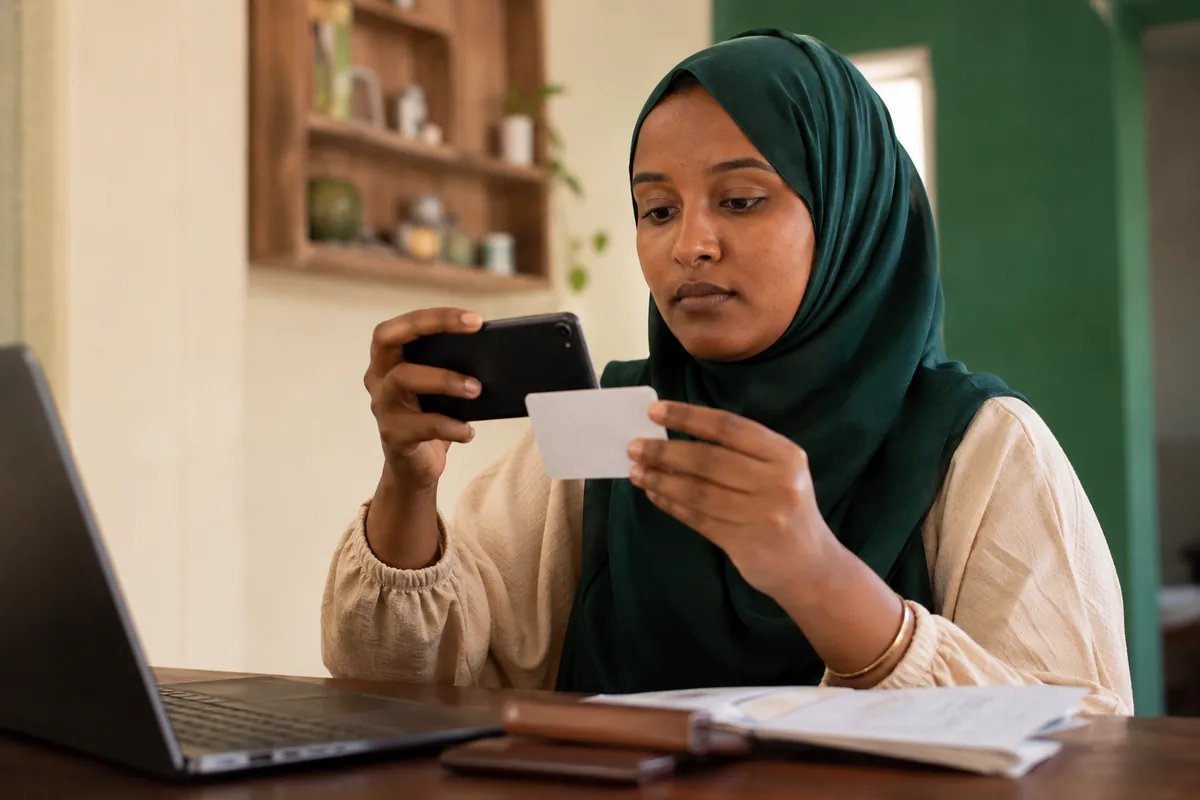
Money goes to an eligible phone-linked wallet. It can arrive quickly and work well in markets where mobile money is widely accepted. The recipient may face wallet limits or cash-out charges.
Cash pickup
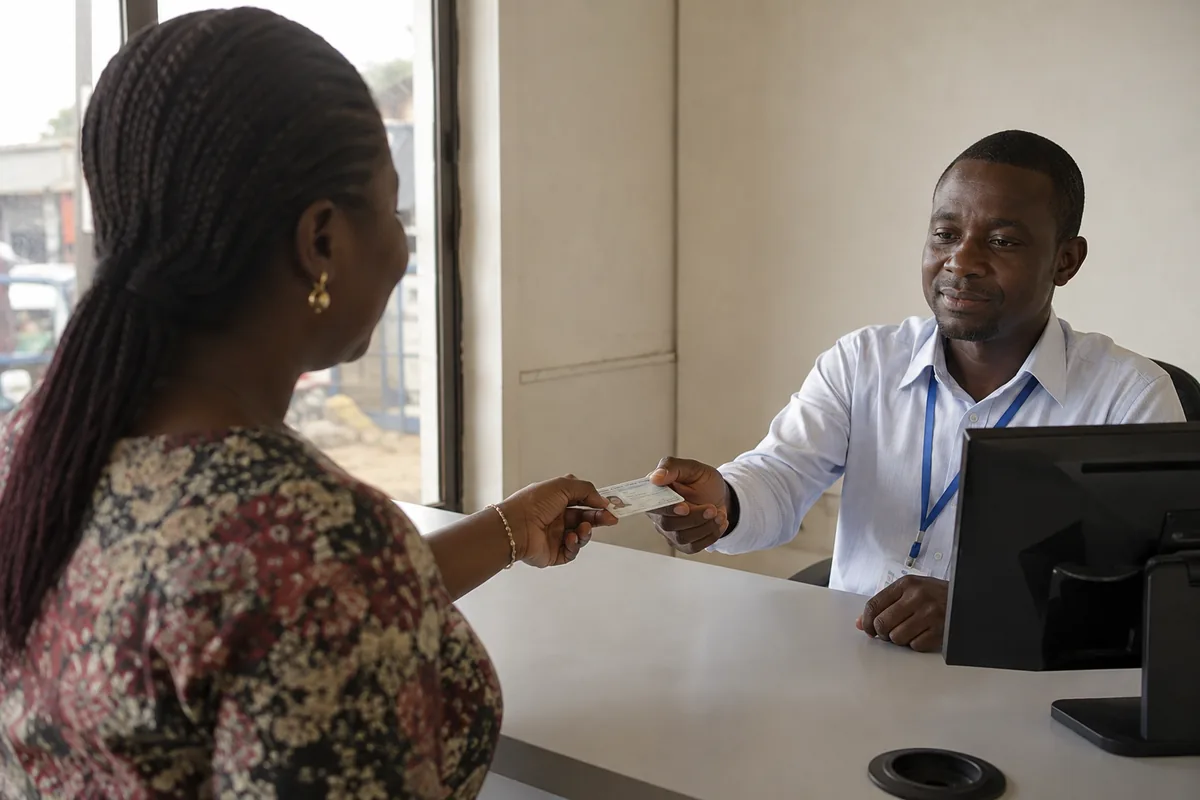
The recipient visits an approved agent with the required identification and transfer details. It can serve people without an account, but opening hours, travel, security and agent liquidity matter.
Why payout choice changes the price
Each network has different partner costs. A provider can offer a different rate, fee or delivery estimate for bank, wallet and cash on the same country route. Compare the exact method your recipient will use.
Choose around the recipient
Ask what the recipient can access safely and what details they have. The highest recipient amount is not useful if it arrives somewhere they cannot use without paying another charge.
- Access
- Identification
- Travel
- Cash-out fee
- Delivery estimate
- Transfer limits
Start with what the recipient can actually access
Bank deposit requires an eligible account and accurate banking details. Mobile-wallet delivery requires the correct phone-linked wallet, suitable registration and enough capacity under its balance limits. Cash pickup requires an accepted identity document, matching name, reference and access to an open agent with sufficient cash.
A sender should confirm these facts before comparing price. Choosing the largest displayed payout is pointless if the recipient cannot pass the collection rules or use the account credited.
For vulnerable recipients, consider travel, privacy and personal safety as well as convenience. The most digital method is not automatically the most accessible, and cash is not automatically the simplest.
Why the payout method changes rate, fee and speed
Each payout rail has its own partner economics and operating constraints. Bank deposits use account networks and clearing schedules; wallets rely on local mobile-money partners; cash pickup pays an agent network and must manage physical liquidity. Providers can price those routes differently even within one country.
Switching method in a calculator may change more than the fee. The customer rate, maximum amount, required recipient information and estimated arrival can all update. Record a new complete quote after every method change.
Compare like with like across providers. A cash quote should be ranked against other usable cash quotes unless the recipient is genuinely willing to switch to bank or wallet delivery.
What can go wrong with each payout choice
Bank deposits can fail because of incorrect account identifiers, name mismatches or recipient-bank rejection. Wallet payments can hit inactive numbers, registration tiers or balance limits. Cash collections can be delayed by closed agents, missing identification or local cash shortages.
Correction options shrink after payout. Review names and numbers carefully and understand whether the provider can amend, cancel or recall the instruction before it reaches the local partner.
Keep the transfer reference and use official tracking. The recipient should never pay an unexpected person or disclose security codes to release a legitimate transfer.
Choose by use case, not by a universal winner
Bank deposit is often the natural choice for rent, tuition, savings and recipients who already use their account. Wallet delivery can suit frequent smaller payments and recipients who pay merchants digitally. Cash pickup remains important where account access is limited or physical money is immediately required.
For a large amount, check account and wallet limits before sending. For cash, consider whether the agent can release the sum safely and whether the recipient should make more than one trip. Splitting a transfer can add repeated fees and should not be done merely to avoid legitimate verification.
Run a quote for each method the recipient can genuinely use. Compare final accessible value and timing, then choose the option that fits the purpose of the money.
Recipient checklist before the sender confirms
For bank deposit, verify the account holder name, account identifier, bank and any branch or routing code. For wallet delivery, confirm the registered name, active phone number, network and available balance capacity. For cash pickup, confirm the accepted ID, exact collection name, agent location and opening time.
The recipient should know the expected amount and reference but should not share one-time passwords or pay an unofficial release charge. If any detail is uncertain, correct it before sending; payout can happen too quickly for a later cancellation.
Where this guidance comes from
We use our own recorded quote data for comparison principles and link to the primary reference material behind factual explanations. Provider prices still need confirmation at checkout.
Bank deposit vs mobile wallet vs cash pickup FAQs
Which payout method is fastest?
Mobile wallet and bank deposit can be fast, but the provider and route determine the actual estimate.
Does cash pickup require a bank account?
Usually no, but the recipient needs an accepted ID and transfer details.
Can I change payout method after sending?
Often not. Confirm the choice and recipient details before payment.